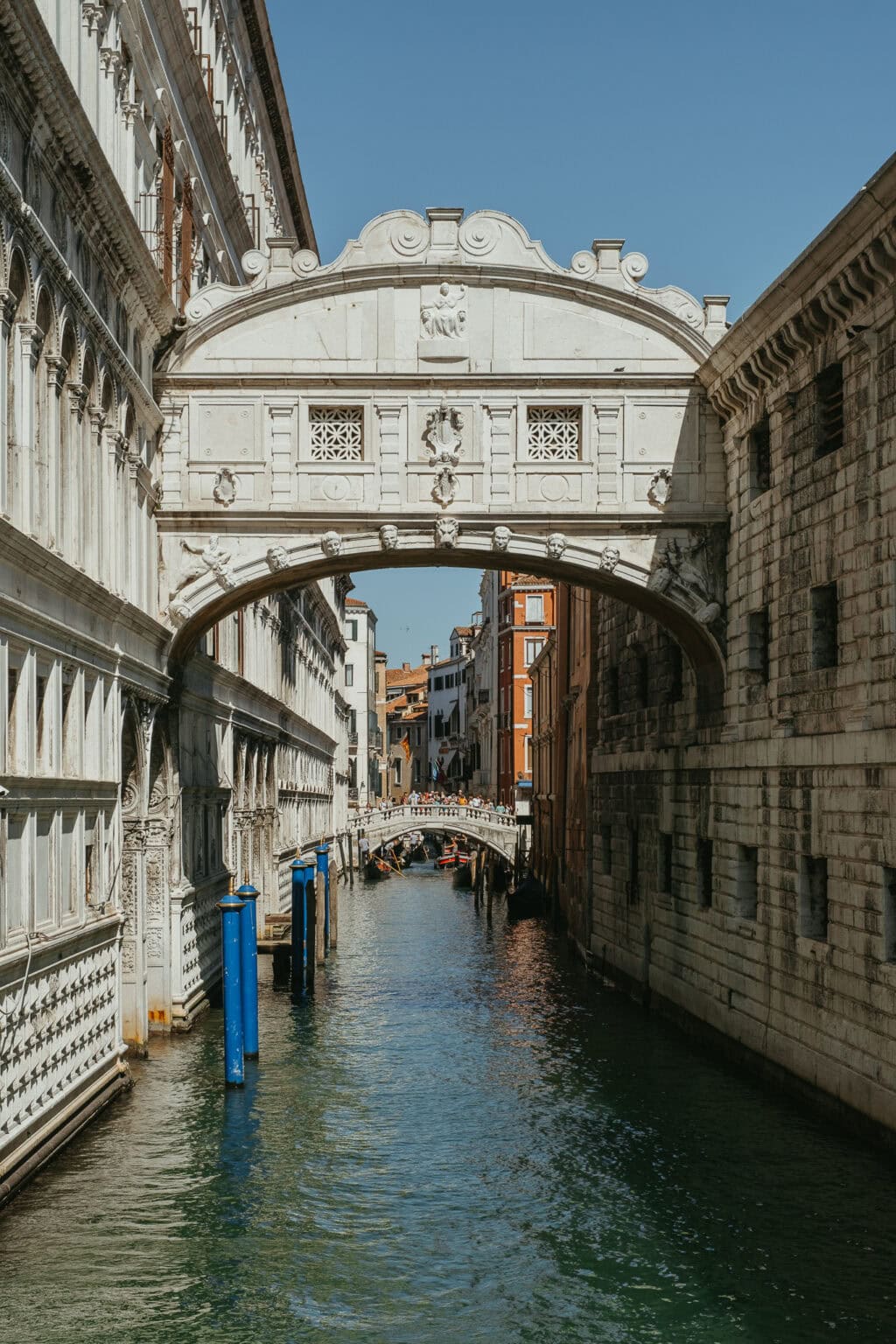
Ponte della Paglia
Early morning
Position yourself on the eastern side of the bridge for a direct, eye-level view of the Bridge of Sighs facade.

The Bridge of Sighs is an enclosed limestone passage connecting the Doge's Palace to the historic prisons across the Rio di Palazzo. Built in 1600, it earned its romantic name from a 19th-century poet's interpretation, though its original purpose was far from sentimental. This guide explains what the bridge is, why it matters, and how visitors access it today.
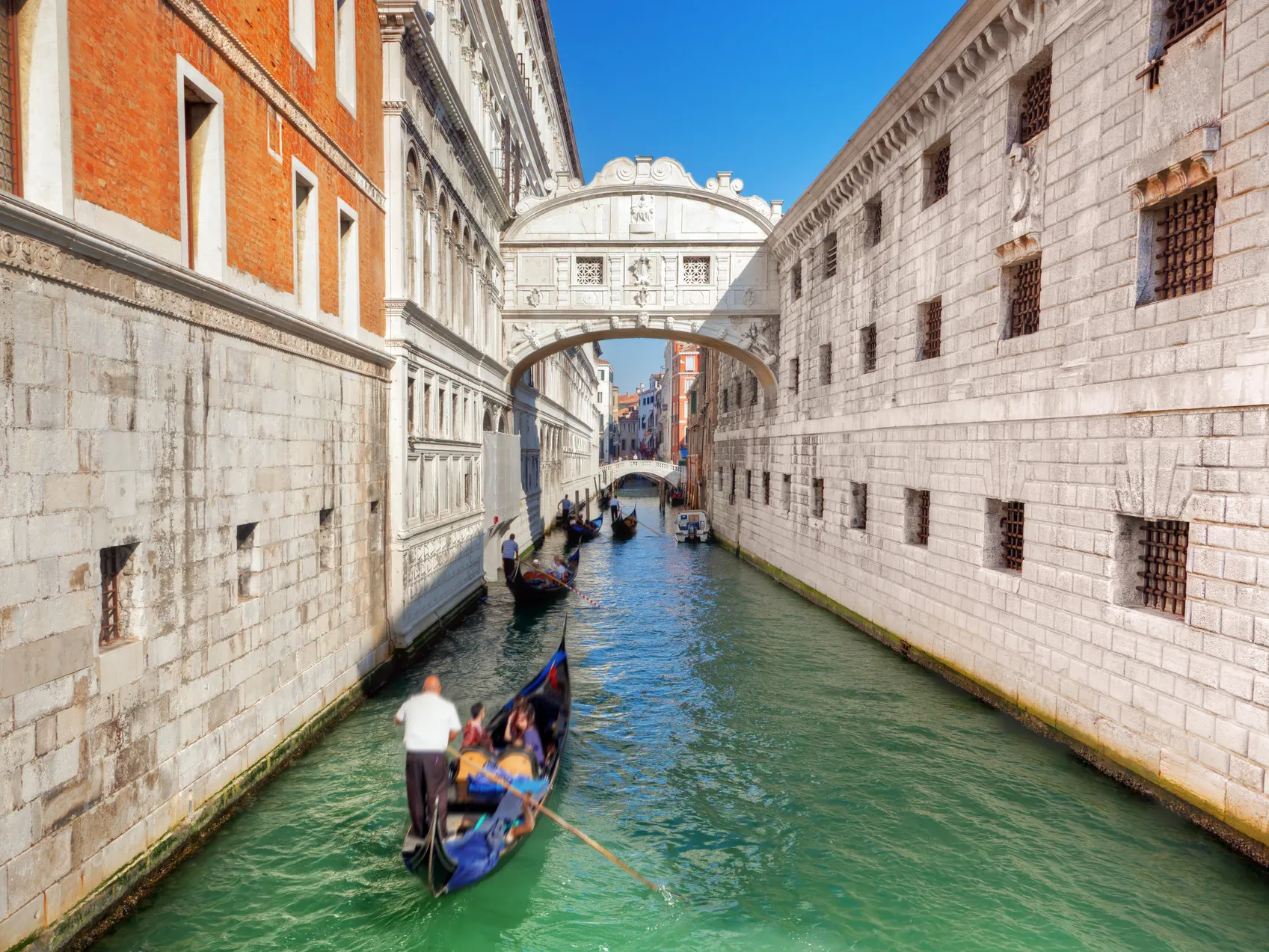
Quick answer
The Bridge of Sighs is a 17th-century enclosed baroque bridge in Venice that connects the interrogation rooms of the Doge's Palace to the New Prison. Designed by Antonio Contino and completed in 1600, the bridge features two separate corridors with small barred windows overlooking the canal. The name stems from Lord Byron's 1812 suggestion that prisoners sighed at their last view of Venice before imprisonment, though this romantic interpretation came two centuries after construction. Visitors access the bridge as part of the Doge's Palace tour, which costs 35 EUR and operates daily from 09:00 to 19:00.
The Bridge of Sighs spans just eleven meters, yet it remains one of Venice's most photographed structures despite most visitors never setting foot inside. What many assume is a decorative ornament is actually a functional corridor built to transport prisoners between judicial chambers and cells. Understanding what is the Bridge of Sighs in Venice requires separating myth from architecture. Antonio Contino designed the Ponte dei Sospiri as a secure administrative passage, not a romantic monument. The enclosed bridge features two parallel corridors separated by a stone wall—one route for prisoners moving toward interrogation, another for those returning to confinement. The small latticed windows offered limited views of the Rio di Palazzo below, a design choice driven by security rather than sentiment. The baroque limestone facade facing the canal served the same purpose as other institutional Venetian architecture of the period: projecting authority through classical proportion. The structure earned its melancholic name not from Renaissance prisoners but from a 19th-century British poet. Lord Byron romanticized the bridge in his 1812 work Childe Harold's Pilgrimage, imagining condemned men sighing at their final glimpse of freedom. This interpretation stuck, transforming a utilitarian passageway into a symbol of lost liberty. By the time mass tourism reached Venice, the Bridge of Sighs had become inseparable from Byron's narrative, even though most prisoners crossing it faced interrogation or short sentences rather than execution. Access to the Venetian landmark requires entry through the Doge's Palace, where the bridge serves as a midpoint in the Secret Itineraries route. Visitors walk the same limestone corridors prisoners used, pass through the magistrates' chambers, and cross into the 16th-century Prigioni Nuove on the opposite bank. The experience clarifies what the bridge actually was: a secure link in the Republic's judicial system, built during an era when Venice operated Europe's most sophisticated bureaucratic state. The exterior view from the Riva degli Schiavoni or the Ponte della Paglia remains the most recognized perspective, though understanding the bridge's function requires seeing it from within the palace complex itself.
“The Bridge of Sighs served as a secure corridor in Venice's judicial machinery long before it became a symbol of romantic longing.”
The Ponte dei Sospiri was commissioned in 1600 by Doge Marino Grimani to connect the newly constructed Prigioni Nuove with the interrogation chambers inside the Doge's Palace. Antonio Contino, nephew of the architect who designed the adjacent Rialto Bridge, completed the enclosed limestone passageway in 1602. The bridge served a purely administrative function: convicted prisoners crossed from the judicial halls to their cells, often catching a final glimpse of the lagoon through the small stone-barred windows. The structure itself is Baroque, with ornate white Istrian stone facades masking the darker purpose of the corridor within. The romantic name appeared centuries later. Lord Byron popularized the phrase "Bridge of Sighs" in his 1812 poem *Childe Harold's Pilgrimage*, imagining prisoners sighing at their last view of Venice before imprisonment. This poetic interpretation diverges from historical reality—most prisoners crossing the bridge had already been sentenced, and the windows offered only narrow glimpses of the Rio di Palazzo below, not sweeping panoramas. The legend persists because it captures the imagination more readily than bureaucratic transit records. Yet what is the bridge of sighs in venice if not a monument to the disconnect between myth and function? The Venetian criminal justice system operated with meticulous documentation, and the bridge represented orderly procedure rather than theatrical despair. Today visitors cross the bridge as part of the Doge's Palace tour, walking the same limestone corridor that prisoners traversed. The stone-barred windows remain unchanged since Contino's era. The passageway connects to cells where 18th-century graffiti still marks the walls, and the view through those famous windows reveals the same narrow canal Casanova saw during his 1755 imprisonment. The structure stands as a rare preserved example of Venetian penal architecture, its romantic reputation now inseparable from its historical function.
Doge Marino Grimani commissions a covered bridge to link the Doge's Palace interrogation rooms with the new prison building across the canal.
Architect Antonio Contino completes the enclosed limestone passageway, featuring two narrow corridors separated by a central wall and small barred windows.
Giacomo Casanova is imprisoned in the Prigioni Nuove and later escapes, documenting his passage through the bridge in his memoirs.
Lord Byron publishes Childe Harold's Pilgrimage, coining the English name "Bridge of Sighs" and cementing the romantic legend of prisoners sighing at their last view of freedom.
The bridge becomes a mandatory stop on the Grand Tour, with travelers seeking the melancholy atmosphere described in Romantic literature.
The Prigioni Nuove are decommissioned as an active prison, and the bridge is incorporated into the Doge's Palace museum route.
The bridge remains one of Venice's most photographed landmarks, accessible only through the Doge's Palace interior tour.
The Bridge of Sighs is accessible daily through the Doge's Palace during the following hours.
The optimal arrival window is 09:00–10:30. Early arrival helps avoid peak afternoon crowds in the palace and on nearby bridges.
—
Arriving at 09:00 provides the clearest views of the bridge before tour groups congregate.
Mild temperatures (15°C–22°C)
The weather is comfortable for walking to the bridge, though midday remains crowded.
Cooler temperatures (10°C–18°C)
These months offer a balance of manageable crowds and stable conditions for observing the structure.
Verdict: Tuesday to Thursday, arriving at 09:00, during April or October offers the most efficient experience.
Early morning
Position yourself on the eastern side of the bridge for a direct, eye-level view of the Bridge of Sighs facade.
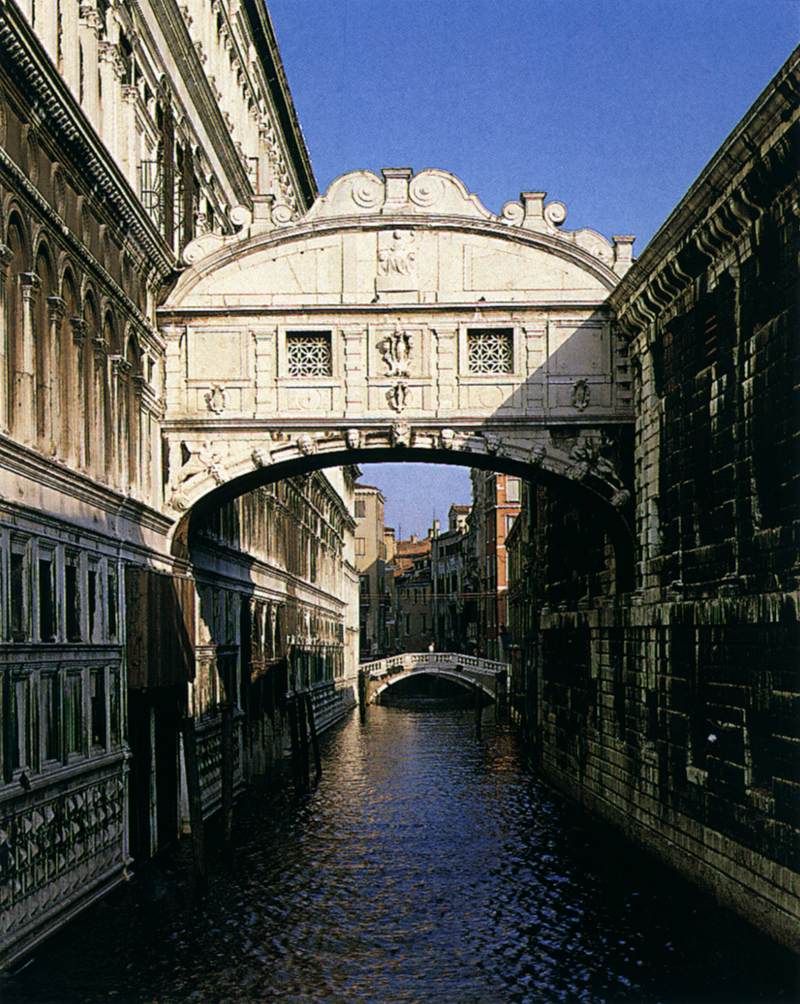
Early morning
Walk along the waterfront toward the bridge to capture its integration with the Doge's Palace exterior.
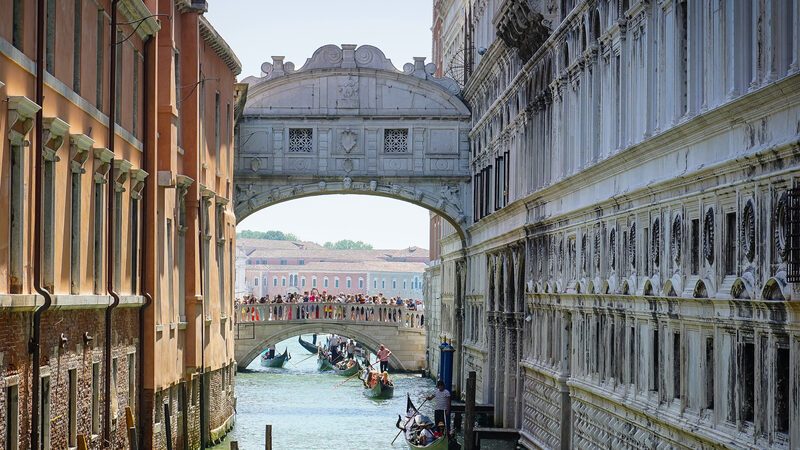
Early morning
This bridge offers a perspective of the side of the Bridge of Sighs away from the main tourist thoroughfare.
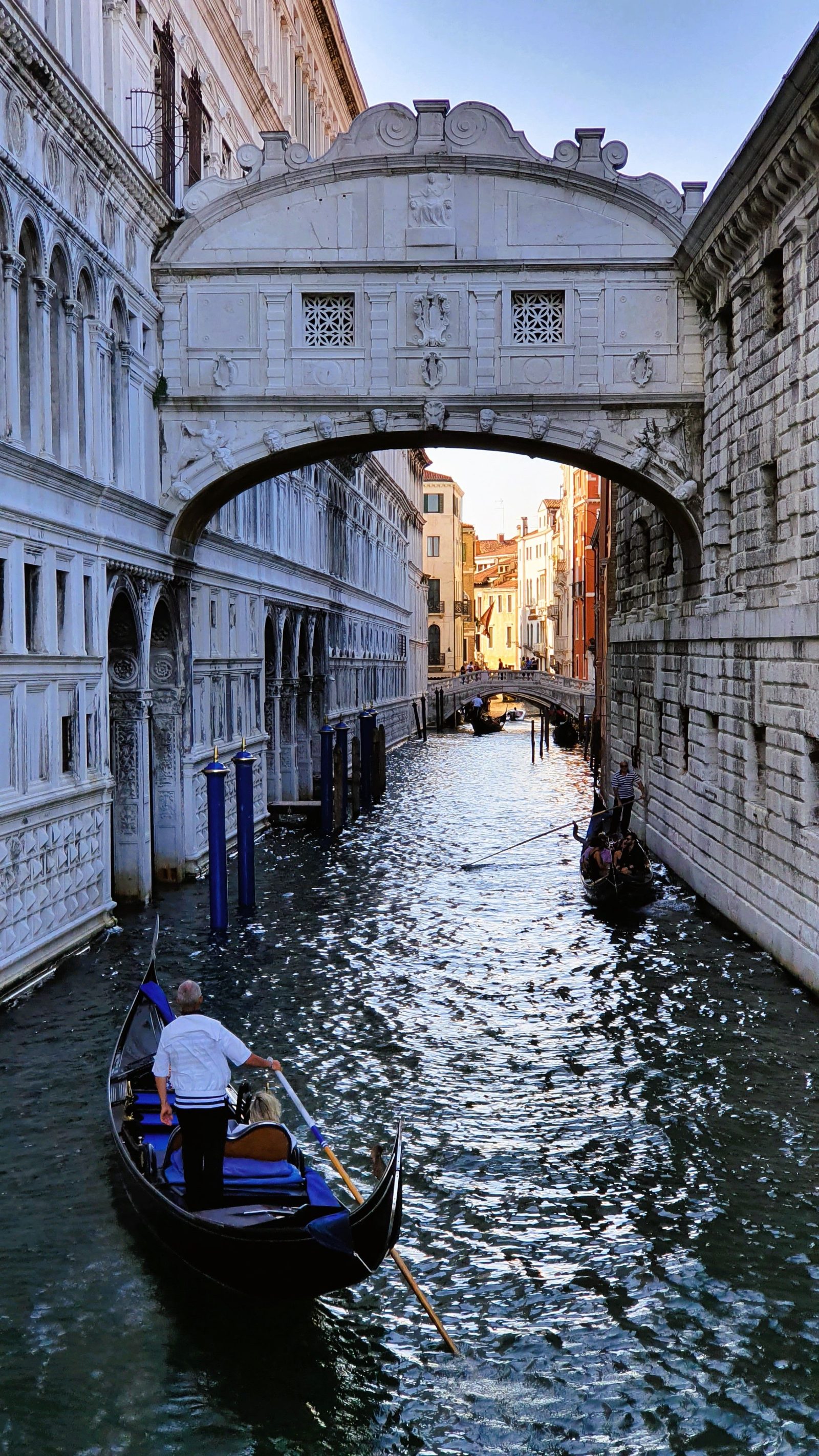
Early morning
View the structure from water level while passing through the narrow canal beneath the bridge.
The Bridge of Sighs is located in the heart of Venice, making it simple to incorporate into a broader exploration of the city's political and religious center. These nearby sites are within immediate walking distance, allowing for a cohesive itinerary.
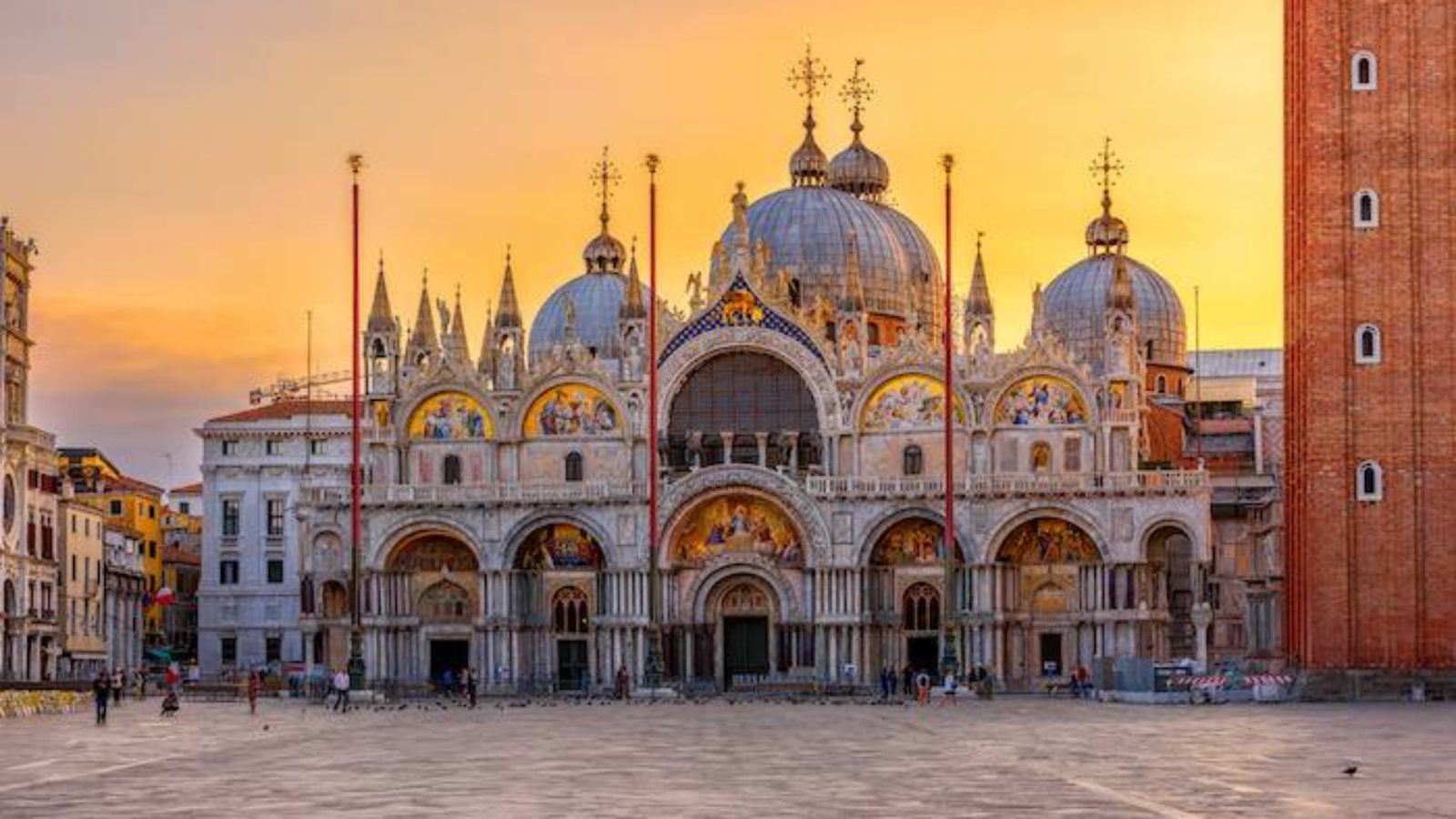
2 min walk
Located directly in the square, this historic cathedral complements the architectural focus of your visit.
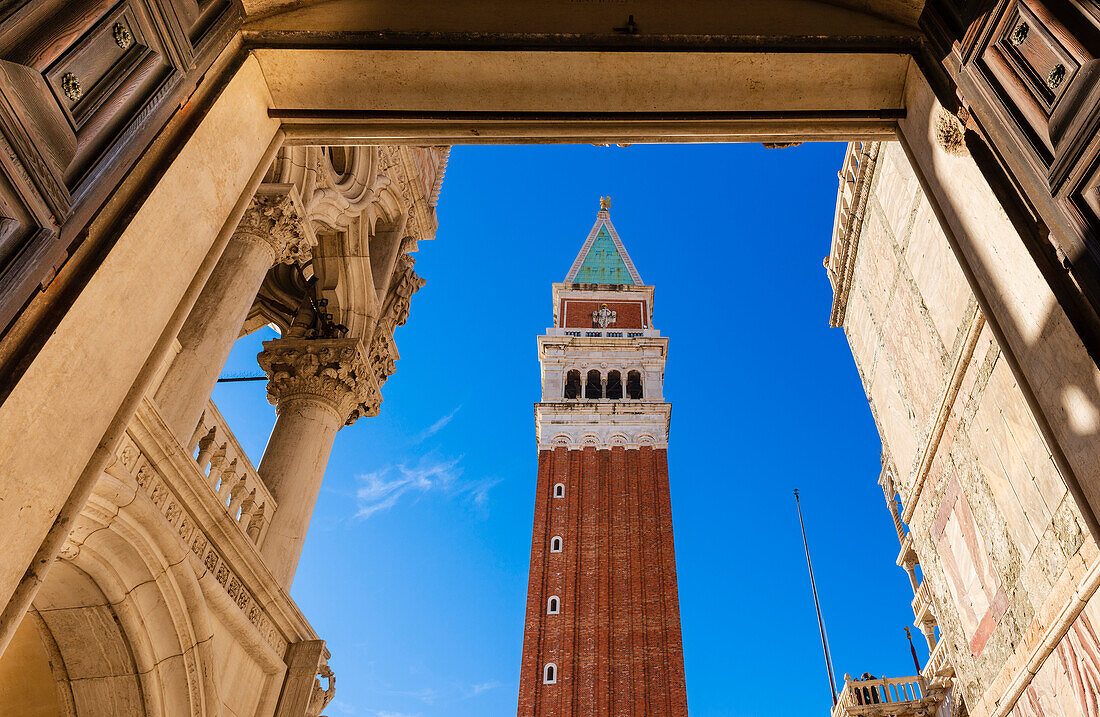
3 min walk
This bell tower offers a panoramic view of the area, providing a different perspective on the palace and bridges visited below.
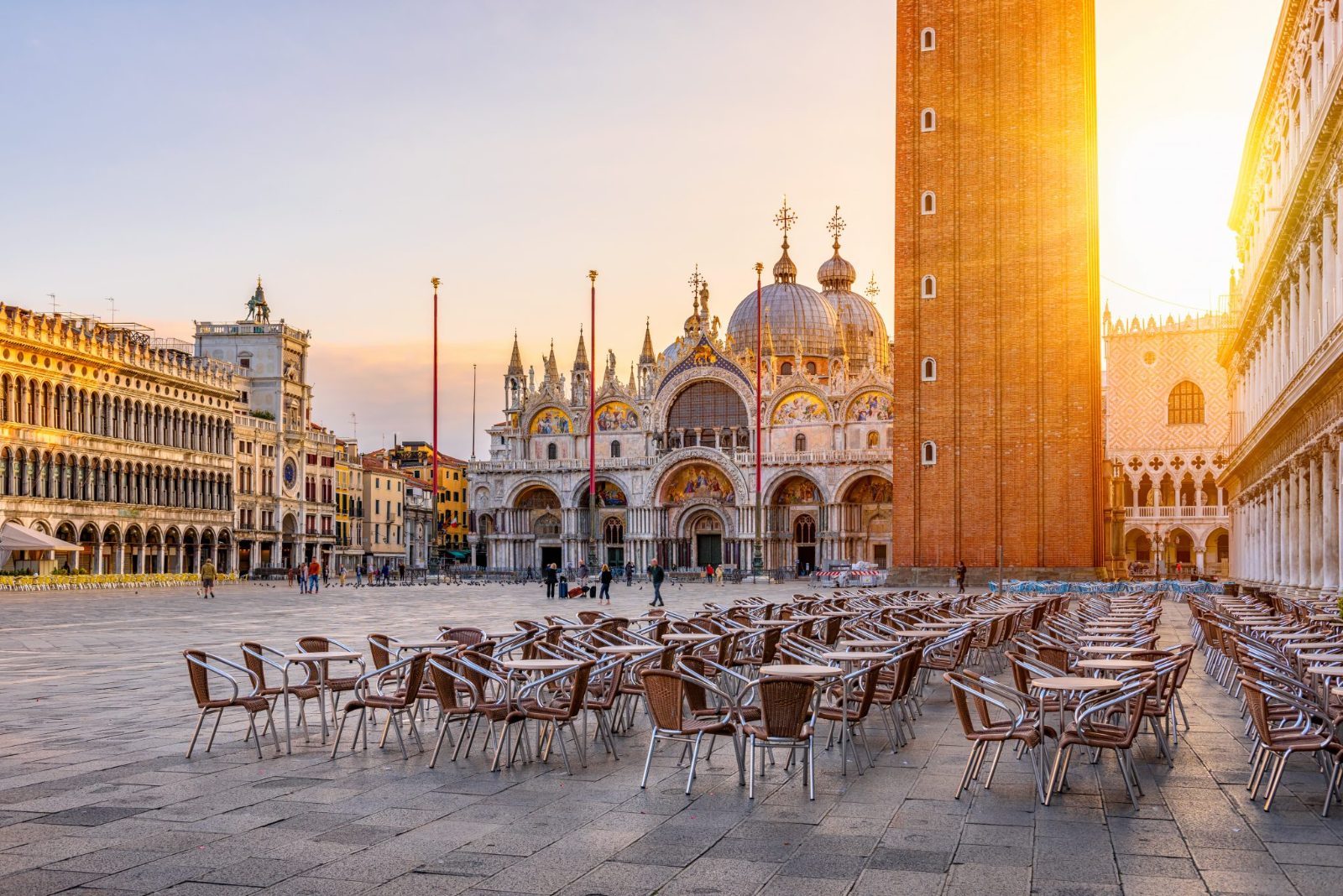
1 min walk
As the main public space of Venice, this square serves as the logical starting or ending point for your tour.
2 min walk
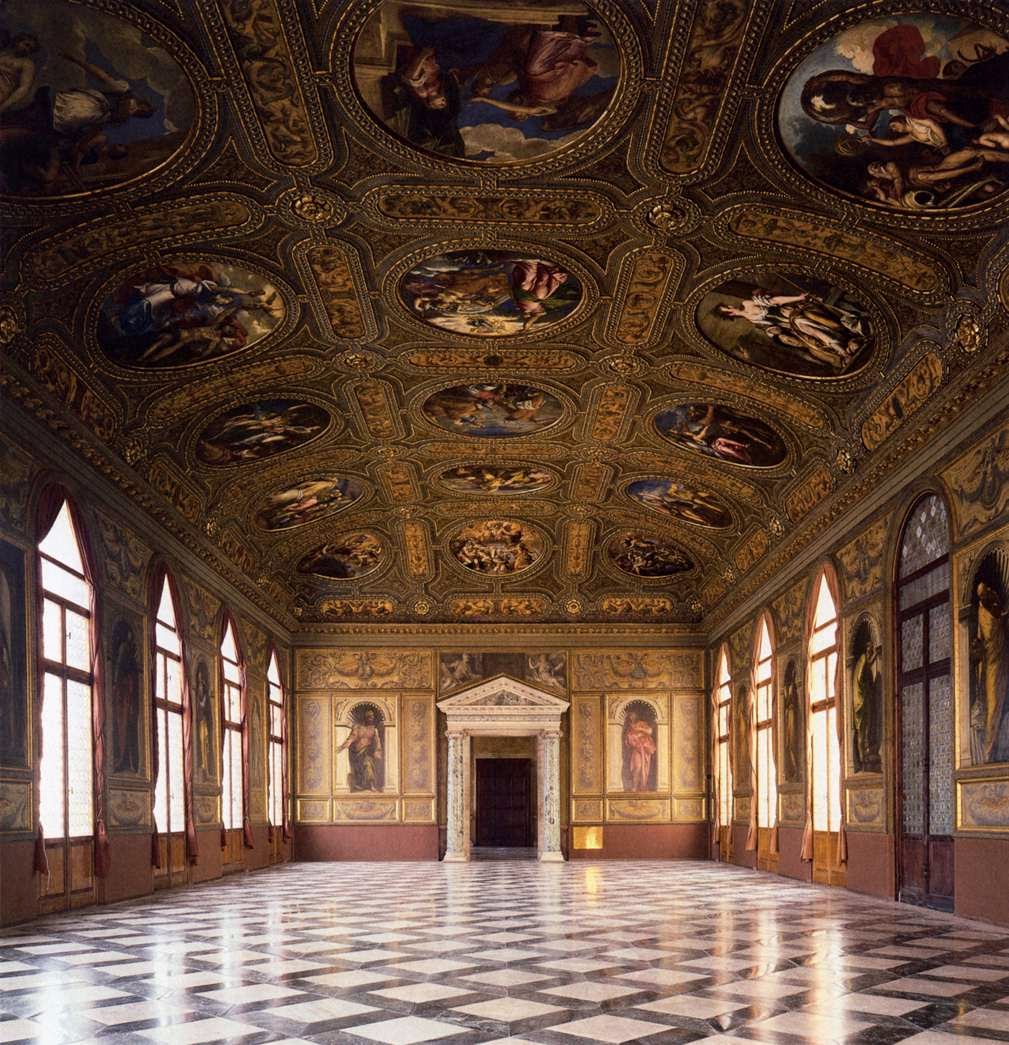
Situated across from the palace, this library houses significant collections and showcases classic Venetian architecture.
Everything you need to know about what is the bridge of sighs in venice
The Bridge of Sighs is an enclosed limestone bridge in Venice that connects the Doge's Palace to the historic prison. When asking what is the bridge of sighs in venice, it is helpful to note that it was built in the early 17th century to transport prisoners.
The name refers to the sighs of convicts who caught their final glimpse of the city through the small windows before being led to their cells. This romanticized name contrasts with the grim reality of the historical prison transport, which remains a key aspect of what is the bridge of sighs in venice.
Yes, you can walk across the bridge by entering through the Doge's Palace during standard operating hours. Access to this famous Venetian landmark is included with your general admission, allowing you to experience the corridor firsthand.
The entrance fee is 35 EUR, which grants access to the Doge's Palace and the bridge. As you research what is the bridge of sighs in venice, remember that this single ticket covers the full path through the palace and the prison.
Visitors can view the exterior from nearby bridges or pay for palace admission to see the structure from the inside. Exploring the interior is the primary way to understand the significance of this iconic structure.
Early arrival is recommended between 09:00 and 10:30 to avoid the largest crowds. Arriving during this window ensures a more comfortable experience while touring the interior galleries and passages.
Advance booking is highly encouraged to ensure access during your preferred time slot. You can secure your entry through the official site to guarantee your visit to the palace and the historic bridge.